

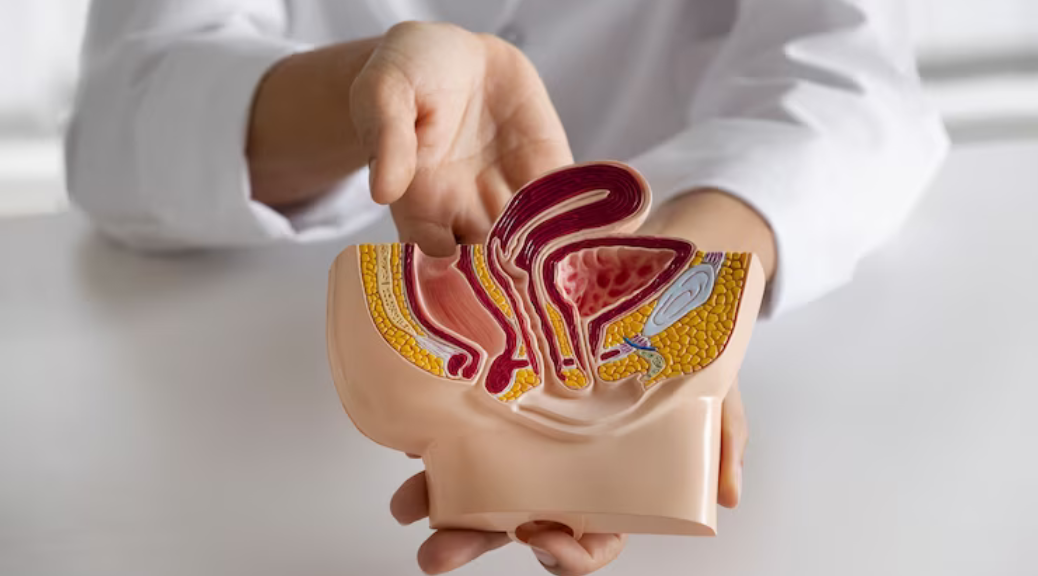
Hydration is one of the simplest yet most powerful factors in men’s overall health, especially when it comes to the urinary system and prostate. Despite how essential water is, many men underestimate its impact or assume that the beverages they consume throughout the day—coffee, energy drinks, or soda—count as adequate hydration. Unfortunately, these drinks often do the opposite by irritating the bladder or contributing to dehydration. Understanding how water intake affects urinary function and prostate health can help men make smarter choices that improve comfort, prevent future issues, and support long-term wellness. Clinics like Lazare Urology often remind patients that maintaining proper hydration is a cornerstone of protecting urological health.
The Connection Between Water and Urinary System Function
The urinary system relies on water to flush toxins, regulate electrolyte balance, and maintain healthy kidney function. When hydration is low, urine becomes concentrated, meaning it contains higher levels of waste products with less water to dilute them. This concentrated urine can irritate the bladder lining, causing sensations of urgency, burning, or frequency. Even men who have no underlying medical conditions may experience discomfort when dehydrated for prolonged periods.
Proper hydration also ensures that urine flows regularly, helping prevent bacteria from accumulating in the urinary tract. For men, urinary tract infections are less common than in women, but when they do occur, they are often more severe and linked to insufficient hydration. Regular water intake reduces this risk significantly.
Hydration and Kidney Health
The kidneys are central to the body’s filtration system, and they depend on adequate fluid intake to function effectively. When the body lacks water, the kidneys must work harder to remove waste, which increases the likelihood of stone formation. Kidney stones develop when minerals and salts in the urine crystallize—something far more likely to happen when urine is concentrated.
Men are statistically more prone to kidney stones than women, making hydration an essential preventive measure. Drinking water steadily throughout the day helps dilute the substances that cause stones and supports a smoother functioning urinary tract.
How Dehydration Impacts the Prostate
Many men don’t realize that their hydration habits can also influence prostate comfort. While hydration alone cannot prevent prostate enlargement or inflammation, it plays an important role in reducing irritation and supporting overall urinary flow. When urine is concentrated, it can aggravate the bladder, which sits directly beneath the prostate. This irritation often makes urinary symptoms worse, especially for men who already have benign prostatic hyperplasia (BPH) or prostatitis.
Dehydration may also contribute to inflammation throughout the body, including in the pelvic region. Chronic low-grade inflammation has been linked to prostate discomfort and may worsen symptoms like pressure, slow stream, or frequent urination. Staying hydrated helps reduce this inflammatory load, providing a foundation for better urinary health.
The Role of Hydration in Preventing Nocturia
Nocturia—waking up one or more times per night to urinate—is one of the most common urinary complaints among men. While prostate enlargement is a major contributor, hydration habits often play a key role as well. Many men don’t drink much water during the day and then consume most of their fluids in the evening. This pattern leads to increased nighttime urination and poor sleep quality.
By drinking water consistently throughout the day and reducing evening fluid intake, men can often experience significant improvement in nocturia. Hydration timing is just as important as hydration amount.
Drinks That Can Harm Urinary Health
Not all fluids hydrate equally. Some beverages can irritate the bladder or contribute to dehydration:
- Coffee stimulates the bladder and acts as a diuretic.
- Energy drinks contain caffeine and artificial ingredients that may increase urgency.
- Soda, especially those containing caffeine or sugar, can aggravate urinary symptoms.
- Alcohol dehydrates the body and may irritate the bladder lining.
These drinks are fine in moderation, but they shouldn’t replace water as the primary source of hydration.
Signs You May Not Be Drinking Enough Water
Many men don’t recognize the subtle signs of dehydration. Common indicators include:
- Dark yellow urine
- Dry mouth or dry skin
- Headaches or fatigue
- Strong-smelling urine
- Increased bladder irritation
- Feeling thirsty only occasionally (thirst often appears after dehydration begins)
Paying attention to these signs can help men adjust their fluid intake before symptoms worsen.
How Much Water Do Men Really Need?
While individual needs vary based on climate, activity level, and personal health, a general guideline is to consume about half your body weight in ounces of water per day. For example, a 180-pound man may aim for roughly 90 ounces of water daily. Men who exercise regularly or work in hot environments may need more.
Hydration is also best maintained through consistent intake. Drinking a large amount of water at once is less helpful than sipping throughout the day. The goal is steady, reliable hydration rather than occasional large doses.
Building Better Hydration Habits
Small, intentional changes can make a significant difference:
- Start the day with a full glass of water.
- Carry a refillable water bottle as a reminder to drink regularly.
- Replace at least one caffeinated or sugary beverage with water.
- Drink a glass of water before each meal.
- Reduce fluid intake two to three hours before bedtime.
These habits support urinary comfort and help keep the prostate from becoming irritated due to concentrated urine.
The Bottom Line
Hydration is one of the most overlooked factors in men’s urinary and prostate health, yet its impact is profound. Drinking enough water daily supports the kidneys, reduces bladder irritation, helps manage urinary symptoms, and contributes to overall wellness. By paying attention to hydration habits and making small but meaningful adjustments, men can take a proactive step toward maintaining long-term urological health.
