

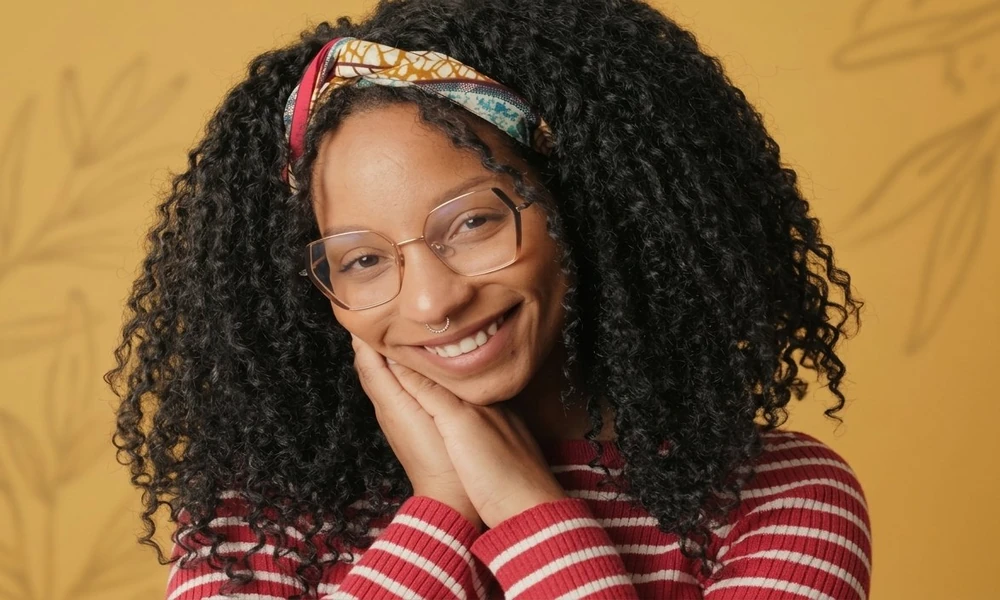
Finding kinky curly hair bundles that genuinely blend with natural hair isn’t always as easy as it sounds. You might discover extensions with gorgeous curls online, only to realize that they’re too shiny, too loose, or completely different from your own texture when they arrive. Sometimes, the hair looks beautiful straight out of the packaging but loses its definition after the first wash. Other times, the curls are so uniform that they lack the softness and character of naturally textured hair. Whether you have defined 3B ringlets, springy 3C curls, or tighter 4A and 4B coils, choosing the right extensions requires more than picking a pretty hairstyle. You need to consider curl pattern, density, luster, hair quality, and how the bundles will behave after installation. Fortunately, a little research can help you find extensions that complement your natural beauty while allowing you to enjoy versatile, stylish sew-ins.
What Makes Kinky Curly Bundles Worth Buying?
Natural and textured hair comes in countless beautiful variations, so finding theBest Kinky Curly Bundles begins with understanding what makes extensions look and feel authentic. A realistic curl pattern is important, but don’t overlook luster. Naturally curly and coily hair often has a softer sheen than silky straight extensions. Hair that’s excessively glossy may create an obvious contrast, particularly when you’re blending it with your leave-out.
Curl consistency also matters. Quality extensions should maintain a recognizable pattern throughout the bundle without looking unnaturally identical from strand to strand. Pay attention to how the hair behaves when wet and dry. Does it maintain definition? Does it expand into a believable amount of volume? Can you separate the curls without creating excessive tangling? These details often determine whether a sew-in looks effortlessly natural or obviously installed.
Hair construction deserves equal attention. Secure wefts, healthy strands, and properly aligned cuticles can contribute to easier detangling and reduced friction. Fullness is another consideration, especially because curly textures naturally create volume. Finally, investigate shedding and reusability. Some shedding is normal, but excessive hair loss, persistent matting, and rapid deterioration are warning signs. Customer reviews featuring multiple installations can offer valuable insight into long-term performance.
How to Choose Bundles for 3B, 3C, 4A, and 4B Natural Hair
Understanding your natural texture is one of the easiest ways to narrow your choices. Type 3B hair generally features springy ringlets, while 3C hair tends to have smaller, densely packed curls. Type 4A hair forms tighter, well-defined coils, whereas 4B hair often has a less uniform pattern with considerable shrinkage. These categories are helpful starting points, but they’re not strict rules. Strand thickness, density, moisture, and styling techniques can all affect how your natural hair looks.
Natural hair also gives you the freedom to experiment with different installation methods. If you enjoy switching between your own curls and added volume,Black Curly Hair Extensions Clip In can be a convenient temporary alternative. However, if you prefer a longer-lasting protective style, sewn-in wefts may provide greater convenience with less daily styling.
Use this quick comparison to identify your closest texture match:
| Natural Hair Type | Recommended Texture | Expected Finish |
| 3B | 3B-3C curly bundles | Soft, defined ringlets with natural bounce |
| 3C | 3B-3C or tighter 3C curls | Fuller curls with noticeable definition |
| 4A | 3C-4A kinky curls | Springy coils with more shrinkage |
| 4B | 4A-4B or 4B-4C textures | Dense, textured volume with tighter coils |
Before purchasing, compare side-by-side photographs of the extensions and your natural hair in similar conditions. Ideally, examine wet curls, freshly washed hair, and completely dry installations. Remember that even two people with the same curl classification may need different extension textures to achieve a convincing blend.
Choosing the Right Curly Bundles for a Natural-Looking Sew-In
For naturally defined 3B-3C curls, extensions with springy ringlets, balanced volume, and medium-low luster often create the most believable results. One option is ONYC’s signature Kinky 3B-3C machine-weft texture, made from premium cuticle virgin human hair. Its defined curls are designed to complement 3B-3C patterns and may also blend with softer 4A textures. The appeal is the combination of natural-looking movement, manageable definition, and fullness without an excessively bulky appearance.
Still, no single curl pattern works for everyone. If your natural hair has tighter 4A or 4B coils, consider extensions with smaller curls and greater shrinkage. These textures can create a more cohesive appearance without requiring excessive manipulation of your leave-out. For very tightly coiled hair, an afro-kinky texture may provide a closer visual match than softer ringlets.
Real customer photographs and installation videos are particularly helpful when comparing products. Look for images showing the extensions immediately after installation, following a wash, and during regular wear. Pay attention to the hairline, parting, curl separation, and overall density. Customer feedback about tangling, shedding, and repeated use can also reveal whether the hair maintains its appearance beyond the initial styling session.
It’s worth remembering that photographs alone cannot guarantee identical results. Lighting, styling products, humidity, and individual hair characteristics all influence the final appearance. When possible, ask the retailer for unfiltered photographs or videos showing the texture in its natural state.
Kinky Curly Flip-Over Sew-In vs. Traditional Sew-In: Which Should You Choose?
A flip-over sew-in is a popular choice for anyone who loves big, effortless-looking curls. This technique arranges the wefts so the hair can be moved from one side to another without maintaining a fixed part. The finished style often features generous volume and a relaxed, versatile appearance. Depending on the technique, some natural hair may be left around the perimeter to conceal the tracks. Careful placement is essential to prevent exposed wefts when changing the direction of the hair.
A traditional sew-in generally offers a more structured finish. You can create a middle part, side part, or other defined style, depending on how the tracks are positioned. Some installations require leave-out for blending, while others incorporate a matching closure to cover the braided foundation. A closure can be particularly useful when your natural texture differs slightly from the extensions or you want to reduce daily manipulation.
Both techniques require proper maintenance. Flip-over installations need careful attention to track coverage and exposed edges, while traditional leave-out styles require consistent blending. Closure installations also need gentle care around the lace. Regardless of your choice, avoid excessive tension and ensure your scalp remains accessible for cleansing.
How many bundles will you need? The answer depends on length, desired density, and installation type. Curly hair naturally expands, meaning fewer bundles may create sufficient fullness compared with straight extensions.
| Hair Length | Estimated Bundles | Desired Appearance |
| 10-14 inches | 2 bundles | Natural-looking volume |
| 16-18 inches | 2-3 bundles | Balanced fullness |
| 20-22 inches | 3-4 bundles | Fuller, longer curls |
| 24 inches | 3-4 bundles | Long, voluminous styling |
These estimates assume standard bundles weighing approximately 100 grams each. A full-head installation may require more coverage than a partial sew-in, and longer lengths generally need additional bundles to maintain fullness toward the ends. Consult your stylist before purchasing to avoid unnecessary expense or insufficient coverage.
How to Maintain Kinky Curly Bundles and Make Your Investment Last
The secret to beautiful curly extensions is consistent, gentle maintenance. Wash your bundles with a suitable shampoo whenever product buildup develops, then follow with a moisturizing conditioner. Detangle in manageable sections, starting at the ends and gradually working toward the roots. Fingers or a wide-tooth comb are usually preferable to aggressive brushing, particularly when the hair is wet and conditioned. After washing, use a lightweight leave-in conditioner or curl-defining product to encourage soft, separated curls.
Nighttime protection is equally important. A satin bonnet, scarf, or pillowcase helps minimize friction and unnecessary tangling. You can also loosely gather longer curls before sleeping. Remember to care for your natural hair underneath the installation by keeping your scalp clean, moisturizing appropriately, and thoroughly drying your braided foundation after washing.
Are premium human hair bundles worth the money? They can be, particularly if you intend to reuse them across multiple installations. For example, extensions costing $300 and used for three separate sew-ins have an average hair cost of $100 per installation, excluding salon fees and maintenance products. However, durability depends on the original quality, styling habits, heat exposure, washing routine, and storage conditions. Higher prices don’t automatically guarantee better performance.
Frequently Asked Questions
Can you straighten kinky curly bundles? Many human hair extensions can be straightened using suitable heat protection. However, excessive temperatures or repeated heat styling may permanently loosen the curls.
Do kinky curly bundles revert after washing? Quality human hair generally returns toward its original curl pattern after washing if it hasn’t experienced significant heat or chemical damage. Complete reversion isn’t guaranteed.
How long can you wear a sew-in? Many stylists recommend approximately six to eight weeks, depending on hair growth, scalp health, and maintenance. Your individual needs may require earlier removal.
Can 4C hair blend with 3B-3C extensions? Yes, but the difference in curl patterns may require additional styling. Tighter-textured bundles or a matching closure are often easier choices for a natural finish.
When should you replace your bundles? Consider replacing extensions when they develop persistent matting, noticeable thinning, excessive breakage, or severe tangling that conditioning cannot resolve.
Final Thoughts: The most beautiful sew-ins aren’t necessarily the biggest or most expensive. They’re the ones that complement your natural texture, suit your lifestyle, and remain manageable with proper care. For defined 3B-3C curls, softer kinky-curly wefts are a practical starting point, while tighter 3C-4A and 4B-4C textures may provide a better match for coily hair. Explore the available curl patterns, compare real customer installations, and consider a matching closure if you prefer minimal leave-out. Whether you’re choosing ONYC or another quality hair supplier, prioritize authentic texture, reliable construction, and realistic maintenance expectations. With the right match, your next sew-in can deliver beautiful volume, effortless styling, and the confidence of a look that feels naturally yours.
