

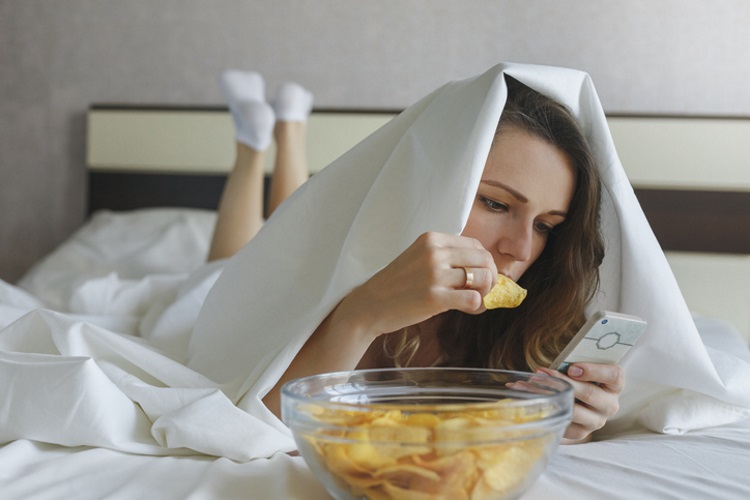
As city lights flicker past midnight, a growing number of people are reaching for snacks, scrolling food delivery apps, or wandering out for a bite. Our collective obsession with late-night eating has evolved, shaped not just by cravings but by technology, culture, and a changing sense of wellness.
Changing Patterns in Midnight Eating: Traditional vs. Modern Trends
Long before food delivery apps, late-night snacks were dictated by local customs and what was left in the fridge. In New York, pizza slices and bagels dominated the midnight menu. Across Asia, street vendors served steaming bowls of noodles well into the early hours. The midnight meal was often social, shared among friends after a concert or a long shift.
Now, the definition of late-night food is expanding. Convenience has become king, with the rise of on-demand delivery and 24/7 fast food chains. People can order everything from spicy ramen to vegan tacos, all from the comfort of home. This shift marks a move away from purely traditional snacks toward a fusion of global flavors and dietary preferences.
Classic Late Night Snacks: Cultural and Regional Favorites
Certain snacks never go out of style. Think of Mexico’s elote, India’s chaat, or the classic American grilled cheese. These foods speak to nostalgia and comfort, offering a taste of home regardless of the hour.
Rise of Convenience Foods: Fast Food and Delivery Services
The surge in online ordering platforms has forever altered midnight snacking. Fast food chains report some of their highest sales between midnight and 2 a.m., while independent spots now thrive on late-night delivery. The city of Montreal, for example, is known for its Riverside late night food, where locals can browse diverse menus long after traditional restaurants have closed.
Health-Conscious Choices: The Emergence of Late-Night Wellness Foods
Not everyone is reaching for fried chicken at midnight. Wellness-driven consumers are turning to options like smoothie bowls, protein bites, and herbal teas. The late-night food market is witnessing a surge in plant-based and gluten-free choices, reflecting a wider health movement.
Demographics and Midnight Eating Habits
Who is fueling this late-night food frenzy? Data reveals clear differences across age, geography, and income.
Age Groups: Teenagers, Young Adults, and Older Consumers
Teenagers and young adults are the most frequent late-night eaters, especially on weekends. Older adults are less likely to indulge, often citing health concerns or sleep quality.
Urban vs. Rural Differences in Late-Night Food Consumption
Cities never really sleep, and neither do their kitchens. Urbanites are twice as likely to order food after 10 p.m. compared to their rural counterparts, who rely more on home-prepared snacks.
Socioeconomic Factors Influencing Midnight Eating
Income plays a part as well. Higher-income groups are more likely to experiment with late-night delivery and premium options, while lower-income consumers stick to affordable, traditional snacks.
Data Insights: What Quantitative Research Reveals
Let’s break down what the numbers show about our midnight eating behaviors.
| Group | Peak Hours | Top Food Choices | Portion Size | Frequency (per week) |
|—————-|————-|———————-|———————|———————-|
| Teenagers | 11pm-1am | Pizza, fries | Large | 3-4 |
| Young Adults | 12am-2am | Tacos, burgers | Medium-Large | 2-3 |
| Older Adults | 10pm-12am | Fruit, toast | Small-Medium | 1-2 |
Weekends drive the biggest spikes in orders and portion sizes, with Friday and Saturday accounting for nearly 50% of late-night deliveries in major cities. Fast food, pizza, and Asian cuisine remain favorites, but health-focused dishes are steadily climbing.
Motivations Behind Late-Night Eating: Psychological and Social Factors
What pulls us toward the kitchen at midnight? Stress and sleep patterns are major culprits. Emotional eating spikes when stress is high and sleep is elusive. Social events also play a role, think midnight birthday celebrations or after-hours gatherings. For shift workers, a 2 a.m. meal is simply dinnertime.
Comparing Health Implications of Late-Night Eating Trends
The debate between old-school high-calorie snacks and modern healthy alternatives is ongoing. Classic comfort foods provide satisfaction but can disrupt digestion and sleep. Modern health foods offer better nutrition but may not hit the same emotional notes.
Studies show that eating large, heavy meals late at night can interfere with metabolism and lower sleep quality. Nutritionists lean toward lighter, protein-rich snacks, especially for those eating after dark. Public health guidelines suggest keeping late-night portions small and avoiding caffeine, sugar, and high-fat foods.
The Role of Technology and Food Delivery Platforms
Apps and digital menus now influence what and when we eat. Push notifications, curated suggestions, and 24/7 ordering windows make spontaneous decisions easy. Data from delivery services reveals that more than 30% of their nightly orders occur after 10 p.m.
Comparing in-person dining with delivery, convenience often trumps experience. While eating out still appeals to night owls seeking ambiance, most late-night eaters prefer the privacy and speed of home delivery. The next frontier? AI-driven menus that suggest options based on dietary habits and time of night.
Cultural Shifts and Predictions for the Future of Midnight Eating
Borders are blurring as midnight menus feature fusion dishes, kimchi quesadillas, sushi burritos, vegan poutine. Sustainability is gaining ground, with more plant-based choices and eco-friendly packaging. Looking ahead, expect smart fridges, tailored nutrition plans, and even more diverse late-night offerings as consumer preferences evolve.
Midnight eating has always been about more than just food. It reflects our changing lifestyles, technologies, and values, and the next wave of trends is only a click away.
