

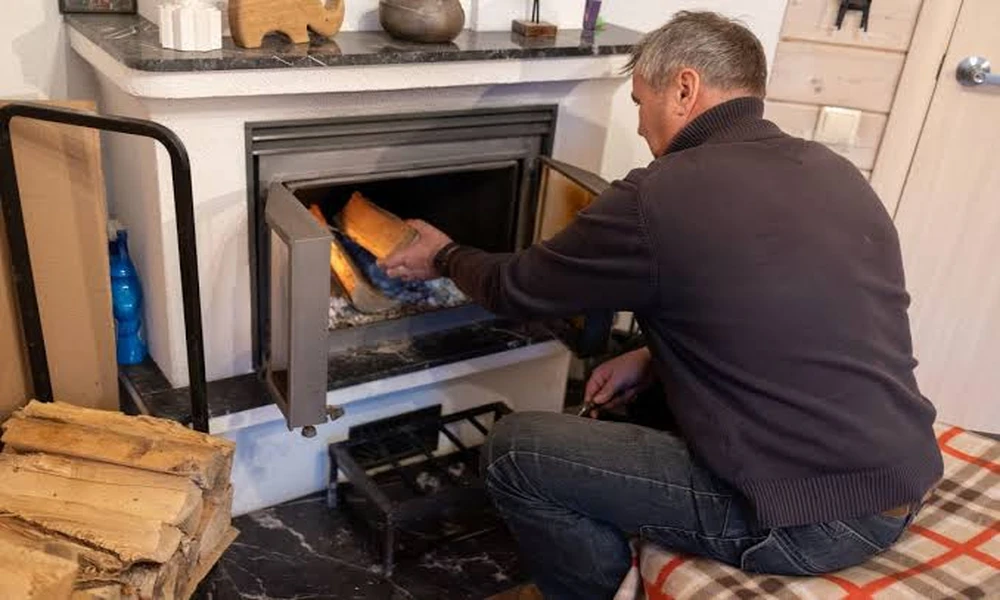
A fireplace adds warmth and comfort to a home, but it also needs regular attention to remain safe and dependable. Changes in how it looks, smells, or performs can point to faults that should not be ignored. Spotting warning signs early can help prevent further damage and reduce the risk of smoke, fire, or harmful gases entering your living space.
If you notice persistent smoke, damaged masonry, unusual smells, or poor heat output, it may be time to contact fireplace repair specialists rather than attempting a quick DIY fix. Fireplaces involve heat, ventilation, fuel, and structural components, so some problems can be more serious than they first appear. A trained professional can identify the cause and recommend the correct repair.
Visible Cracks or Loose Masonry
Cracks in the firebox, chimney breast, mortar joints, or surrounding brickwork deserve attention. Small surface marks may be minor, but widening cracks, crumbling mortar, or loose bricks can allow heat to reach areas not designed to withstand it. Damage can also weaken the surrounding structure over time.
Do not simply cover significant cracks with filler or paint. The masonry should be assessed properly if the damage grows, returns after repair, or appears close to the fire chamber. Repeated heating and cooling, moisture, age, and structural movement can all contribute to deterioration.
Smoke Entering the Room
A working fireplace should direct smoke safely up the chimney. If smoke spills into the room, there may be a blockage, damaged flue, poor draught, or ventilation problem. Soot, bird nests, debris, or faults in the chimney can interfere with airflow, and fireplace repair specialists can check for problems that are not immediately visible.
When smoke problems continue after basic checks, a professional inspection can determine whether the chimney, flue, damper, or ventilation needs attention. Repeated smoke exposure can affect indoor air quality, so the cause should be dealt with promptly rather than accepted as a normal part of using the fireplace.
Unusual or Persistent Smells
A strong smoky smell when the fireplace is not in use can indicate soot deposits, moisture, creosote, or ventilation issues. Musty odours may suggest water entering the chimney. With gas fireplaces, any suspected gas smell should be treated seriously.
Turn off a gas appliance if it is safe to do so, avoid flames or sparks, leave the area when necessary, and follow the emergency guidance provided by your gas supplier.
Poor Heat Output or Uneven Burning
A fireplace that suddenly produces less heat may have airflow, fuel, burner, or component problems. Gas units can develop ignition or burner faults, while wood-burning fireplaces may perform poorly when airflow is restricted.
Watch for:
- Unusually weak or irregular flames
- A fire that is difficult to keep burning
- Excessive soot forming quickly
- A noticeable drop in heat output
- Repeated ignition problems
If the problem continues after checking the fuel and basic controls, arrange a professional inspection.
Damage to the Chimney or Flue
The chimney and flue carry smoke and combustion gases away from the room. Damage is not always visible from inside the home. Broken liners, damaged flashing, loose chimney pots, or deteriorated mortar can lead to leaks, poor draught, or unsafe operation.
Warning signs include water stains near the fireplace, recurring damp patches, pieces of masonry in the hearth, or debris falling into the firebox. External chimney damage should be repaired before it develops into a larger structural problem.
Soot, Creosote, or Black Staining
Some soot is expected with wood-burning fires, but heavy build-up or black staining around the opening can point to incomplete combustion or poor draught. Creosote, a combustible residue formed by wood smoke, can collect inside the chimney and increase fire risk.
Regular sweeping helps control deposits, but rapid build-up may indicate an underlying airflow or flue problem that needs further investigation.
When to Stop Using the Fireplace
Stop using the fireplace until it has been checked if you notice unusual flames or smoke, structural damage, a suspected gas leak, falling masonry, strong persistent odours, or signs that combustion gases may be entering the room. Carbon monoxide alarms should also be installed and maintained according to local guidance and the manufacturer’s instructions.
Conclusion
Fireplace problems are easier to manage when recognised early. Pay attention to cracks, smoke, odours, reduced heat, soot, and chimney damage. Regular maintenance can prevent many issues, but faults involving gas, ventilation, structural damage, or unsafe combustion should be assessed by a qualified professional before the fireplace is used again.
