

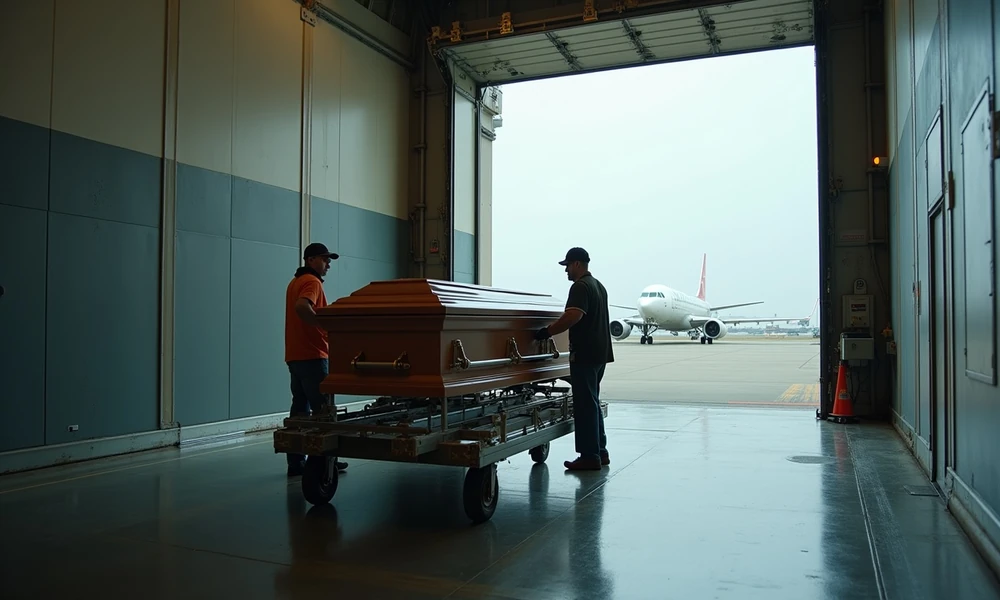
Repatriating the remains of a loved one who passed away overseas back to Singapore requires strict adherence to international and local regulatory protocols. Multiple government agencies, border control authorities, and airlines demand specific legal and medical paperwork before international transport can proceed.
Working alongside repatriation companies in Singapore ensures that all required certifications are correctly translated, verified, and submitted without logistical delays.
Below is the definitive guide to the essential documentation required to bring human remains into Singapore.
Death Certificate Issued by the Country of Death
The official Death Certificate is the foundational legal document required for repatriation. Issued by the government authority or civil registry of the country where the death occurred, it officially registers the passing.
The document must contain vital details, including:
- Full name, age, and gender of the deceased.
- Date, time, and place of death.
- Official registration number and issuing authority seal.
If the document is written in a language other than English, an official English translation must accompany the original text to clear Singapore customs.
Cause of Death Certificate or Statutory Declaration
A Cause of Death Certificate specifies the exact medical reason for the individual’s passing. This document must be completed and signed by a licensed medical practitioner or a coroner in the host country.
If the cause of death is pending an autopsy or investigation, local authorities may issue a temporary medical statement or Statutory Declaration. Border health controls, including Singapore’s National Environment Agency (NEA), review this document to rule out contagious, high-risk infectious diseases.
Sealing Certificate for the Coffin
A Sealing Certificate confirms that the deceased’s body has been secured inside a casket that meets international transport regulations. This certificate is typically issued by a licensed mortuary or health authority in the country of origin.
The certificate verifies compliance with the following standard criteria:
- The coffin is lined with hermetically sealed metal or zinc.
- The outer structure is airtight, leak-proof, and structurally sound for transit.
- The sealing took place under sanitary conditions supervised by authorized personnel.
Proper coffin sealing ensures compliance with international aviation health standards prior to departure.
Embalming Certificate Where Applicable
An Embalming Certificate is required when a body undergoes embalming for long-distance transit. Most commercial airlines require full embalming to preserve the remains during flight.
Issued by a certified embalmer or licensed mortuary, this document verifies:
- The chemical preservation processes used.
- The date and location of the procedure.
- Confirmation that the body is safe for transit.
Engaging an experienced funeral parlour in SG helps families confirm whether an embalming certificate is mandatory based on the origin country and transport method.
Coffin Export Permit From the Country of Origin
The Coffin Export Permit is an official authorization granted by the host country’s government or customs agency. It confirms that the deceased is legally cleared to leave the foreign territory.
Key facts regarding the export permit include:
- It ensures all local legal and police clearances have been met.
- It prevents the unauthorized movement of human remains across borders.
- Transport providers cannot accept the cargo without this active permit.
This permit completes the exit requirements set by the exporting country.
Coffin Import Permit for Singapore
Before human remains enter Singapore, a Coffin Import Permit must be secured from the National Environment Agency (NEA). The permit costs S$17.50 and includes the official Permit to Bury/Cremate.
The application requires submitting foreign paperwork to the NEA Port Health Office. Engaging repatriation companies speeds up this clearance process, ensuring flight arrivals align with ground transportation arrangements.
Deceased Person’s Identification Documents
Border control and port health officers must verify the identity of the deceased against all submitted medical certificates.
Required identification paperwork includes:
- The original passport of the deceased.
- Singapore NRIC or Long-Term Pass card (for Singaporeans and residents).
- Foreign identification cards (for non-citizens).
Accurate identification paperwork prevents administrative holds upon landing at Changi Airport.
Air Waybill or Air Consignment Note
When repatriating via air freight, an Air Waybill (AWB) serves as the official transport contract issued by the airline cargo operator.
This document details the following cargo tracking information:
- Flight numbers, route schedules, and arrival times.
- Designated shipper and consignee details.
- Special handling instructions for human remains.
The Air Waybill allows cargo handling crews and ground teams in Singapore to track the shipment in real time.
Letter of Authorisation for Funeral Directors
If the next-of-kin is unable to handle repatriation paperwork directly, they must issue a formal Letter of Authorisation. This document empowers a licensed funeral parlour to act as the family’s official representative.
The letter grants authority to:
- Apply for NEA import and cremation/burial permits.
- Communicate with foreign embassies, airlines, and customs authorities.
- Collect the casket from Changi Airport cargo facilities upon arrival.
This document ensures seamless legal representation for the family across all agencies.
Contact Casket FairPrice to gain help in bringing your loved one home.
