

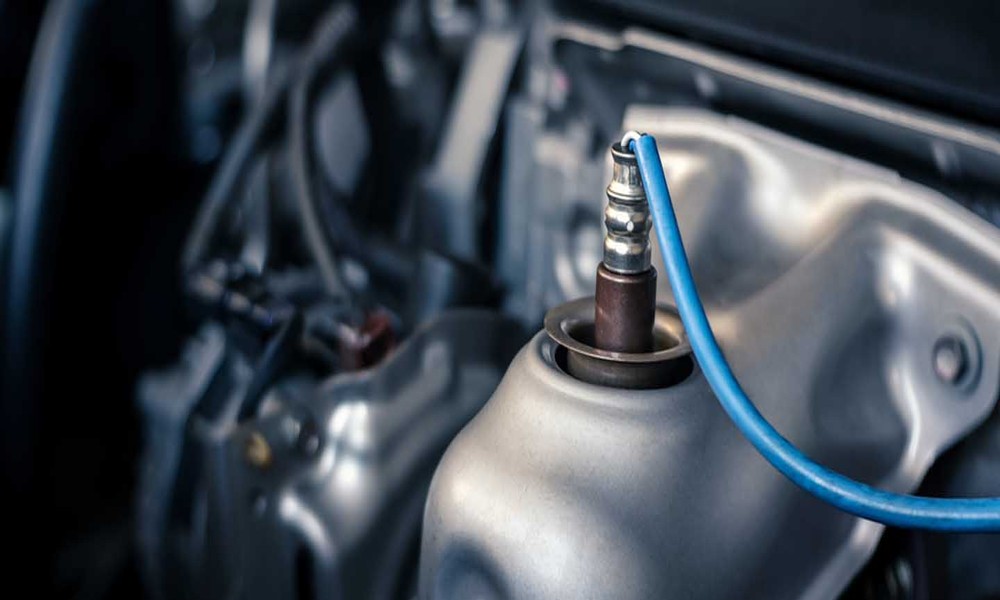
Maintaining a vehicle’s engine efficiency depends on several small but important components, and one of the most critical is the oxygen sensor. This part helps monitor the air-fuel mixture in your engine and ensures optimal combustion. When it becomes dirty or contaminated, performance issues can appear, including poor fuel economy, rough idling, and even a check engine light. This is where an O2 sensor cleaner can be useful, especially when used correctly and at the right time.
An O2 sensor cleaner is designed to help remove carbon buildup and other deposits that affect sensor accuracy. While it is not always a permanent fix, it can help restore performance in certain situations and delay the need for costly replacement. Understanding how and when to use it properly is essential for getting the best results.
Understanding How an O2 Sensor Works
Before using an O2 sensor cleaner, it is important to understand the role of the oxygen sensor in your vehicle. The O2 sensor is located in the exhaust system and measures the amount of oxygen in the exhaust gases. This data is sent to the engine control unit, which adjusts the air-fuel mixture for optimal combustion.
When the sensor becomes contaminated with carbon buildup, oil residue, or fuel deposits, it may send incorrect readings. This can lead to inefficient fuel usage, increased emissions, and poor engine performance. In some cases, drivers may notice a drop in mileage or experience rough engine behavior.
An O2 sensor cleaner works by helping to break down some of these deposits when used under the right conditions. However, it is important to note that not all sensors can be fully restored with cleaning, especially if they are already worn or damaged.
Preparing Your Vehicle Before Using an O2 Sensor Cleaner
Proper preparation is important before applying any cleaning solution to your vehicle’s exhaust system. The first step is to ensure that the engine is completely cool. Working on a hot exhaust system can be dangerous and may cause injury.
Next, it is important to confirm whether your vehicle is suitable for using an O2 sensor cleaner. Some manufacturers recommend replacing sensors instead of cleaning them, especially in newer or highly sensitive systems. Checking your vehicle manual or consulting a mechanic can help you avoid unnecessary damage.
Fuel level is another factor to consider. Many O2 sensor cleaner products are added directly to the fuel tank, so ensuring the tank is at the appropriate level helps the product mix properly with the fuel. Following the instructions on the product label is essential for safe and effective use.
Applying an O2 Sensor Cleaner Correctly
Once the vehicle is properly prepared, the next step is applying the O2 sensor cleaner as directed. In most cases, the cleaner is poured directly into the fuel tank before refueling. This allows the solution to circulate through the fuel system and reach the exhaust components during normal engine operation.
After adding the cleaner, driving the vehicle under normal conditions helps the product work effectively. Some manufacturers recommend a mix of city and highway driving to allow the engine to reach different operating temperatures. This variation helps the cleaner interact with deposits more efficiently.
It is important not to expect immediate or dramatic results. An O2 sensor cleaner works gradually, and improvements may be noticed over time as the engine continues to run. Patience is key when evaluating its effectiveness.
Monitoring Engine Performance After Use
After using an O2 sensor cleaner, monitoring your vehicle’s performance is an important step. Improvements may include smoother idling, better fuel efficiency, and reduced emissions. In some cases, a check engine light may turn off if the issue was related to minor sensor contamination.
However, if problems persist, it may indicate that the oxygen sensor is no longer functioning properly and needs replacement. A cleaner can help with mild buildup, but it cannot repair a fully damaged sensor. This is why ongoing monitoring is essential after treatment.
Pay attention to fuel consumption and engine behavior over the next several driving cycles. Consistent improvement is a good sign that the cleaner has helped restore partial function. If no change is observed, further diagnostic testing may be required.
Knowing When Replacement Is Necessary
While an O2 sensor cleaner can be helpful in certain situations, it is not a permanent solution. Oxygen sensors naturally wear out over time due to exposure to high heat and exhaust gases. When this happens, cleaning will no longer restore proper function.
Common signs that replacement is needed include persistent check engine lights, poor fuel economy that does not improve, and repeated diagnostic trouble codes. In these cases, replacing the sensor is the most reliable solution for restoring engine performance.
Using an O2 sensor cleaner too frequently is also not recommended. It should be viewed as a maintenance aid rather than a long-term fix. Proper vehicle care, including regular inspections and timely replacement of worn components, ensures better performance and efficiency.
By understanding how to use an O2 sensor cleaner effectively, drivers can maintain better engine performance and potentially extend the life of their vehicle’s emission system. Proper preparation, correct application, and careful monitoring all contribute to achieving the best possible results.
