

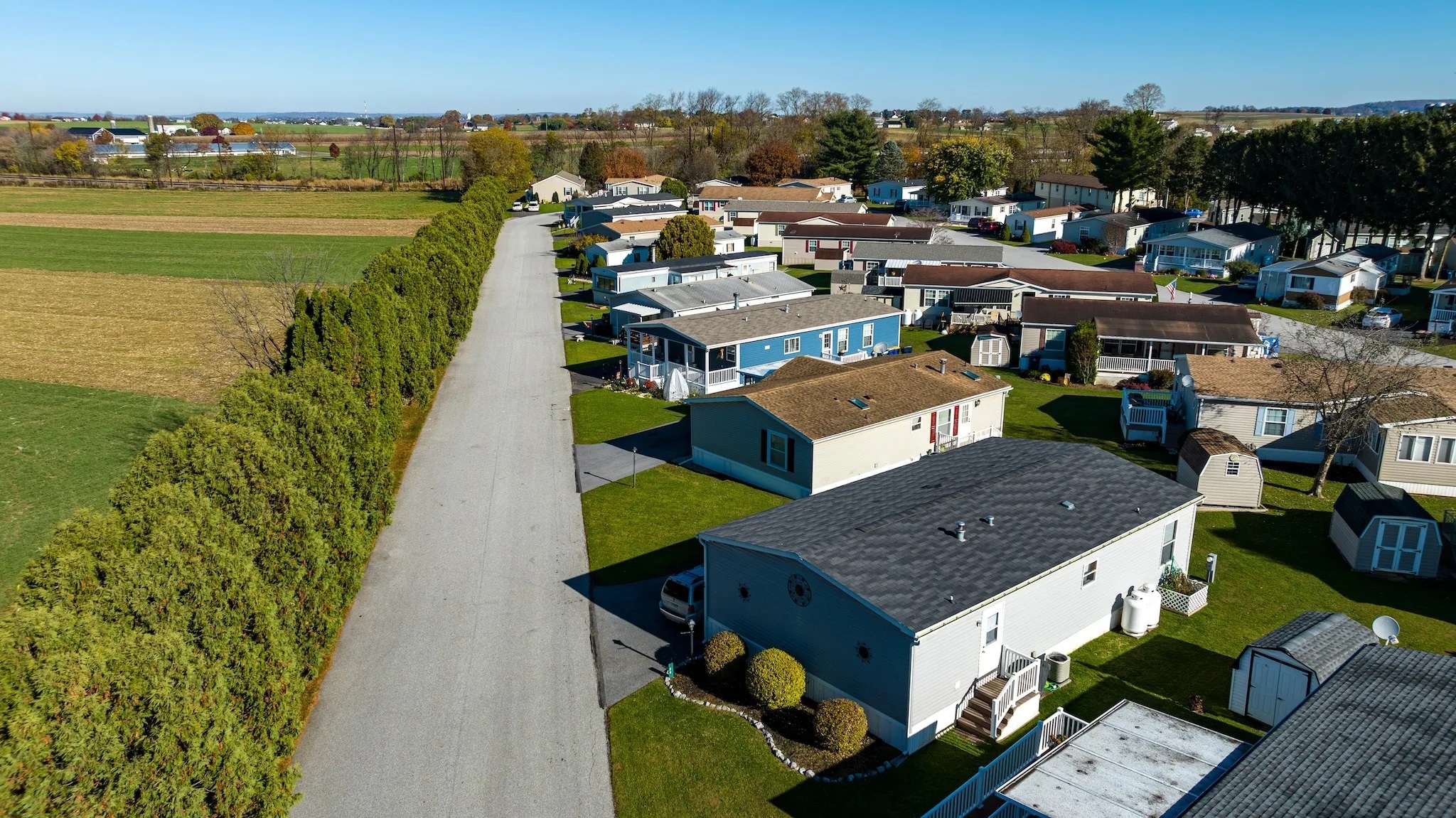
Managing a mobile home park comes with a unique set of responsibilities that differ from traditional property management. With multiple tenants, varied infrastructure, and regulatory considerations, efficiency is critical to maintaining profitability and resident satisfaction. Unlocking that efficiency requires a deliberate blend of organization, technology, and consistent oversight.
At the core of effective mobile home park property management is strong operational structure. This means having clear systems in place for everything from rent collection and lease management to maintenance and resident communications. When these functions are streamlined, the manager can focus more on strategic improvements and less on day-to-day problem solving. Standardizing workflows helps reduce errors and delays, ensuring that every task is handled in a timely and professional manner.
Another key factor in efficient management is communication. Whether it’s addressing a resident’s concern or updating them on community-wide policies, responsive and transparent communication builds trust. Setting up centralized communication channels—such as a dedicated phone line, SMS alerts, or a portal—can help ensure that messages are not missed and that residents always know where to turn for assistance. This prevents confusion and reduces the number of repeated or escalated issues.
Regular inspections and preventative maintenance play a vital role in reducing long-term costs. Instead of waiting for infrastructure to fail, managers who proactively monitor utility systems, roads, and common areas can address small problems before they become expensive repairs. Creating a routine inspection schedule and logging maintenance records makes it easier to spot patterns and plan upgrades accordingly. This also extends the lifespan of park assets, creating a safer and more appealing living environment.
An often overlooked part of improving efficiency is keeping a close eye on compliance and documentation. Mobile home parks are subject to a range of zoning laws, housing regulations, and environmental standards. By staying ahead of these requirements and keeping proper records, managers can avoid costly violations or legal delays. Documenting tenant agreements, park rules, utility usage, and inspection results not only keeps operations transparent but also protects the park’s interests during audits or disputes.
Rent collection and financial tracking also benefit from organized systems. Offering multiple payment options—such as online portals or auto-debit—reduces late payments and improves cash flow. Clearly defined due dates and automated reminders help residents stay on schedule while minimizing the time spent on collections. Budgeting and financial reporting tools provide clear visibility into income and expenses, helping managers make data-driven decisions for improvements and cost-saving opportunities.
Lastly, fostering a sense of community can have a positive impact on efficiency. When residents take pride in their environment and feel respected by management, there are fewer conflicts, less vandalism, and more cooperation with park policies. Hosting occasional events or soliciting resident feedback builds stronger relationships and a more harmonious living atmosphere.
In today’s fast-paced property environment, mobile home park managers who embrace a proactive, structured approach are better equipped to handle daily challenges and long-term growth. By investing in clear systems, communication tools, and preventative practices, they can unlock a higher level of efficiency—ensuring the park thrives for both owners and residents alike.
