

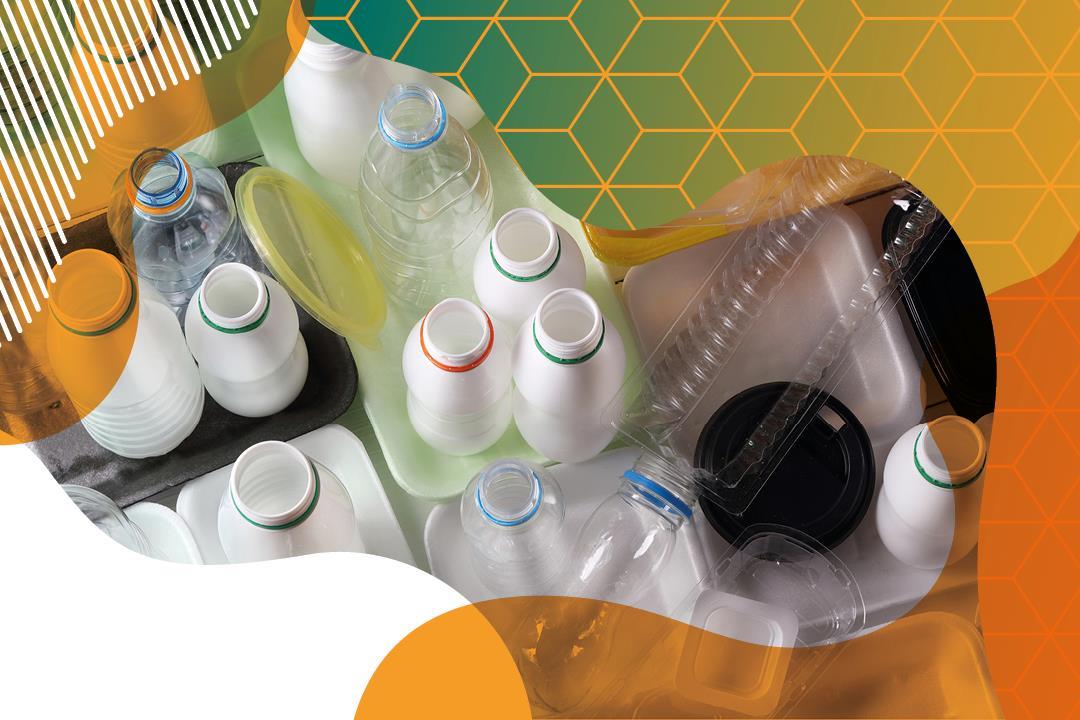
Plastic recycling sounds simple. But in fact, it is much choosier than most realize. Plastic is one of the many items that ends up in landfills as they cannot be processed. But learn which plastics can be recycled − otherwise, you just wasted your time.
This ultimately lays out the what works and what doesn’t, and ex-plains exactly why that is, all while cutting through the confusion.
The Truth About Why All Plastics Cannot Be Recycled
There is also different chemical structure-based plastics as well. Some melt and reform easily. Some break down, leach out toxins, or spoil entire recycling batches. Recycling facilities rely on consistency. But the wrong plastic ends in the process, creating a bottleneck or tainting a usable feedstock.
But the problem is mitigated greatly when we know what plastics are recyclable.
Plastics Commonly Accepted for Recycling
These plastics boost sturdy demand and are accepted by most recycling programs.
#1 − PET (Polyethylene Terephthalate)
Used for:
- Water bottles
- Soft drink bottles
- Clear food containers
It is light, simple to process, and very recyclable − PET. It may become new containers, disposable food trays, or even fabric fibers.
#2 − HDPE (High-Density Polyethylene)
Used for:
- Milk jugs
- Detergent bottles
- Shampoo containers
Recyclables like HDPE have high value. It’s durable and widely accepted.
#5 − PP (Polypropylene)
Used for:
- Yogurt cups
- Food storage containers
- Medicine bottles
PP recycling has developed over the last few years. It is accepted in many cities now, although it is always wise to do your research beforehand.
Plastics That May or May Not Be Recycled
These kinds of plastics sit in a gray area.
#4 − LDPE (Low-Density Polyethylene)
Used for:
- Plastic bags
- Bread packaging
- Squeeze bottles
LDPE can be hardly accepted in curbside bins. But a lot of grocery stores will take bags separately.
#3 − PVC
Used for:
- Pipes
- Blister packs
- Some food wraps
PVC recyclability is low and it is often refused for recycling due to the presence of chemical additives.
Plastics Which are Typically Not Recyclable
Recycling some plastics is almost a theoretical concept.
#6 − PS (Polystyrene)
Includes:
- Foam cups
- Takeaway containers
- Protective packaging
It is soft, easy to break and has low commercial value. Most facilities avoid it.
#7 − Other
This category includes:
- Mixed plastics
- Bioplastics
- Multi-layer packaging
Standard recycling systems are not able to recycle most #7 plastics.
How to Recycle More Effectively
If you are intending to create less waste and want to know the rules about which plastics can be recycled, here goes:
- Focus on plastics #1, #2, and #5.
- Empty and rinse containers
- Avoid combining different materials
Be certain of the recyclables − Only recycle if you are certain that whatever item you are putting into the recycling, is accepted
Putting the wrong item in a recycling bin does more harm than good.
Final Takeaway
Recycling is not about volume. It’s about accuracy. With clear knowledge of plastics that can be recycled, recycling systems improve, contamination rates decrease, and progress takes place.
Recycle less − but recycle right. The truth no one wants to admit.
It is time, money and resource efficient to pause for a moment to check if a material can be recycled before hearing that familiar ka-chink of the rubbish bin. Each of those conscious little choices at home creates a cleaner, more efficient recycling system collectively.
