

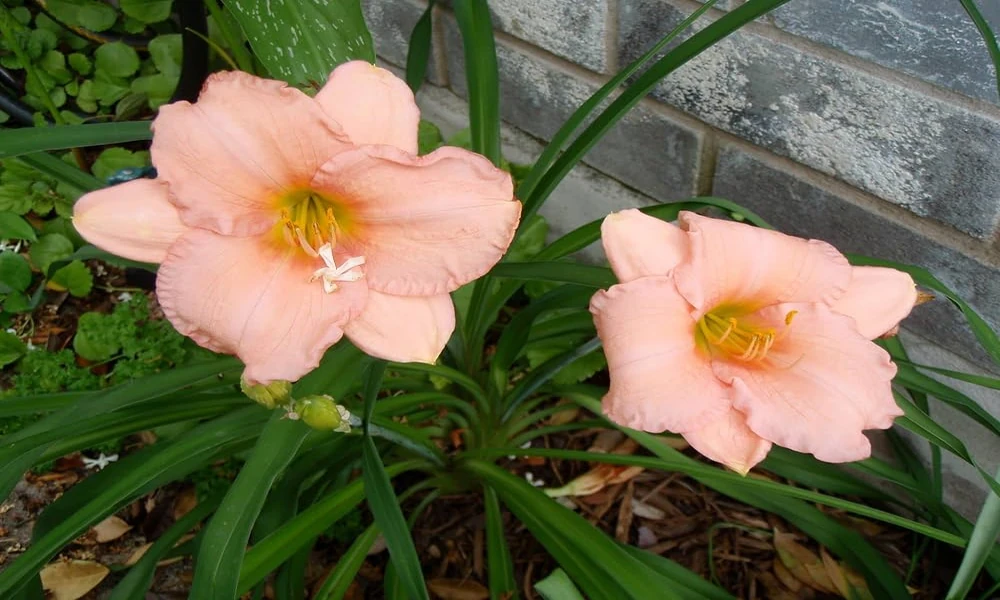
Three daylilies in a photograph could represent three different varieties, three copies of one variety or a mixed pack whose plants arrive without cultivar names. Those are quite different purchases. The price beside the photograph cannot settle which one will suit a border, and the word “collection” does not settle it either.
British buyers have several useful ways to buy Hemerocallis in quantity. The six suppliers here illustrate the choices through actual commercial packs, ranging from twelve different named plants to a trio intended for repetition. Five have currently orderable examples; the final supplier has a distinctive bare-root assortment to watch for future planting, presently out of stock with no confirmed return date. That distinction belongs in the buying decision from the outset.
Looking inside the offer
The comparison considers the number of plants, whether their identities are specified, who chooses the components and the format supplied. Package price matters in that context, with carriage kept separate. The order starts with varied named collections, continues through repeated plants and an unnamed mix, and ends with the conditional bare-root option. It is an editorial comparison of different ways to buy, not a declaration that the lowest average plant price is the best value.
Prices describe the selected offers and may change. A grower-selected collection can contain named varieties without telling the customer exactly which names will be included before purchase. That distinction is central to the shortlist: identity after arrival and control before ordering are two separate benefits.
1. Swallowtail Daylilies
SwallowtailDaylilies gives British buyers a substantial named daylily assortment through its twelve-plant World of Daylilies collection. The advertised £50 package contains twelve different pot-grown varieties, with the description spanning several flower forms. The nursery is a strong starting point for someone who wants variety within Hemerocallis while retaining the ability to identify the plants once they are growing.
The word “different” does real work here. Twelve plants can become twelve separate points of interest, rather than four groups of the same three cultivars. That suits an exploratory planting or a generous border with room to accommodate contrasting forms. It is less suited to a plan requiring a precise sequence of repeated flowers, because the product page does not publish a fixed list of twelve names for the buyer to approve in advance.
Dividing £50 by twelve produces an average of about £4.17 per plant before carriage. That is a useful arithmetic description of the package, not a price at which any named plant can be bought singly. Nor does the count establish identical pot volumes, first-year flowering or the eventual space each plant will occupy.
Keep each cultivar label with its plant. The collection’s named identities then remain useful when moving a clump or seeking another favourite.
2. Farmyard Nurseries
Farmyard Nurseries makes the supplied size unusually easy to compare. Its collection contains six different named daylilies in two-litre pots for £34.99, with postage and packaging added. Six pots of a declared volume offer a more concrete starting point than a collection described only through flower photographs.
The nursery chooses the varieties, and the page does not give a fixed advance list. This is therefore a smaller varied assortment, not a custom selection of six favourites. The average plant price is approximately £5.83 before delivery, but the more significant comparison with the twelve-plant option is the scale of the purchase. A gardener with six suitable positions may have a much better use for this package than for twice as many different plants, regardless of the lower average offered elsewhere.
It also helps to separate commercial size from garden maturity. A two-litre plant is supplied in a larger container than a 9cm plant; that does not promise a particular number of flower stems or a fully developed clump. Farmyard’s appeal is a manageable number of different named plants with a clear pot-size specification. It is a sensible package for a flexible border project in which the buyer wants some substance on arrival and is content for the nursery to compose the assortment.
3. Crocus
Crocus supplies a different kind of certainty. Its three-pot lilioasphodelus option identifies the plant before the order is placed: all three are the same species in 9cm pots. That makes the offer particularly useful when a design depends on repetition. The customer is deciding how many examples to buy, rather than handing over the choice of varieties.
The listed promotional package price of £22.39 works out at about £7.46 per plant before delivery. The matching single-pot offer allows the buyer to compare one with three without changing the plant itself. It is still worth checking the current selected option, since an individual product and its multipack can have different prices or availability.
The practical attraction is continuity through a planting. Three matching clumps can repeat a colour and foliage shape at intervals, or begin a small drift. They also make later adjustments easier to understand because there is no mixture of differing cultivar habits to disentangle. This is the supplier to consider when knowing exactly which plant is repeated matters more than receiving the greatest possible number of different names.
4. J. Parker’s
J. Parker’s offers three Hemerocallis plants in one-litre pots for £9.99. The mixture is explicitly supplied without named or labelled components, making it a clear choice for a buyer who wants varied flowers and accepts some uncertainty about the individual identities. That is a legitimate kind of purchase, provided it is understood before ordering.
At £3.33 per plant before any delivery charge, the arithmetic is simple. The editorial judgement is less about that attractive average than about what the buyer gives up in exchange for an inexpensive assortment. You cannot plan around three specified cultivar names, and you should not expect the photograph to function as a promised packing list. Someone starting an informal planting may be perfectly comfortable with that; someone assembling a labelled collection may not be.
The offer does identify the supplied pot volume and gives a stated delivery period. Those details allow a practical decision about the starting material and timing even though the mixture’s components remain unnamed. Select it for an adaptable scheme where a range of colours is welcome. Its place in this comparison rests on that transparent mixed-pack proposition, rather than an invented claim that the plants are inferior or superior to named nursery stock.
5. Thompson & Morgan
With Thompson & Morgan’s Dress Code offer, the collection question becomes a question of multiplication. The three-plant option supplies three 9cm pots of the same named cultivar. Its advertised £19.99 price is approximately £6.66 per plant before delivery, and the page also offers a single plant for buyers who need only one.
This pack works for a gardener who has already accepted the cultivar and wants it to recur. A group can be planted together or spaced through an existing bed so that the same flower returns at different points. That degree of control is absent from a grower-selected assortment, where all the plants may be distinct. The trade is straightforward: less variety within the package, more certainty about the repeated component.
Compare the 9cm format honestly with the one- and two-litre offers elsewhere. It describes a smaller sale container, not an eventual smaller cultivar. Allow the plants their appropriate mature space, and do not crowd them simply because the three pots fit neatly beside one another on arrival. Thompson & Morgan is useful here for a specified repeated planting whose identity can be settled before checkout.
6. Gardening Express
Gardening Express lists a five-plant daylily collection made up of five different bare-root varieties selected from a published candidate list. That combination gives it a distinct place between the larger varied potted collections and the three-of-one options. For a gardener with five spaces and a preference for bare-root planting, the format is worth keeping in view.
It is currently out of stock, with a stock-notification option and no confirmed return date. It should therefore sit on a future-project list, not in the purchasing plan for a bed that needs plants now. There is no basis for promising that it will return in a particular month, that a displayed discount will survive, or that every candidate cultivar will be represented.
Decide what the extra plants are for
Before comparing averages, sketch the intended planting. If the sketch calls for a repeated accent, three plants of one known identity answer it directly. If the aim is to explore different flower forms, a named assortment brings more variety while keeping track of the results. An unnamed mix makes sense where the plan can absorb surprises.
Quantity should follow those positions. Buying twelve because the average looks attractive can create a second problem if only six have somewhere suitable to grow. Add carriage to the package price, allow for the supplied format, and retain the stated conditions with the order. The best pack is the one whose contents have a clear job in the garden before the box arrives.
Source note: The named suppliers’ collection and product pages supplied the pack counts, formats, identity information and availability distinctions used here. Approximate per-plant figures divide the stated package price by its plant count and exclude carriage.
