

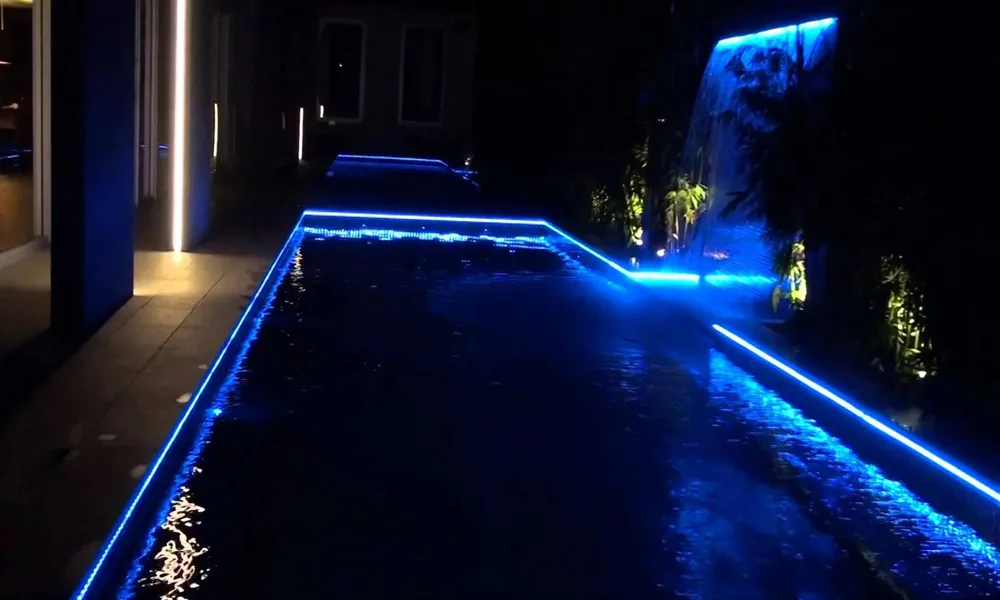
In recent years, LED lighting has transformed the way we illuminate our homes, workplaces, and public spaces. Its energy efficiency, versatility, and long lifespan have made it a popular choice across various applications. Whether you’re familiar with LED strip lights or LED modules, understanding the differences and uses of these lighting options can help you make more informed choices when planning your lighting needs.
Introduction to LED Lighting Technology
LED stands for Light Emitting Diode, a semiconductor device that emits light when an electrical current passes through it. Unlike traditional bulbs that rely on heating a filament, LEDs produce light through a more efficient process, resulting in lower energy consumption and less heat generation. This technology has opened up new possibilities in lighting design, from decorative strips to functional modules, making LEDs a staple in modern lighting solutions.
Understanding LED Strip Lights: Versatile Lighting Solutions
LED strip lights are flexible circuit boards embedded with multiple tiny LED bulbs. They are known for their adaptability and can be installed in a variety of spaces, from under cabinets and shelves to accentuating architectural features. Their slim profile and ability to emit light in different colors and intensities make them ideal for both decorative and practical uses. When selecting LED strip lights, factors like brightness, color temperature, waterproof rating, and ease of installation often come into play.
Role of LED Strip Lights Suppliers in the Market
The role of led strip lights suppliers is vital in ensuring a steady supply of quality lighting products. These suppliers bridge the gap between manufacturers and customers, providing access to a wide range of strip light options that meet varying project demands. Their influence extends to maintaining product standards and adapting to emerging trends, such as smart lighting controls and energy-efficient designs.
Deep Dive into LED Modules: Compact and Efficient Lighting Components
Unlike flexible strip lights, LED modules are rigid lighting units designed to provide focused illumination. These modules consist of one or several LEDs mounted on a small board, often with built-in optics to direct the light. LED modules are commonly used in commercial signage, backlighting, and industrial applications where consistent, bright lighting is necessary. Their compact design and ease of replacement make them a practical choice for many lighting setups.
Manufacturing of LED Modules: Precision and Innovation
The led module manufacturer plays a key role in delivering components that meet precise performance criteria. Manufacturing these modules involves careful assembly and quality checks to ensure durability and efficiency. Advances in materials and processes help produce LED modules that are reliable and environmentally conscious, aligning with the increasing demand for sustainable lighting.
Selecting the Right LED Lighting Components for Your Needs
Choosing between LED strip lights and LED modules depends largely on the specific requirements of your project. LED strip lights are excellent for flexible, decorative applications where a continuous line of light is needed. They can conform to curves and tight spaces, making them ideal for creative lighting designs. On the other hand, LED modules provide more focused and robust illumination, suited for signage or places requiring brighter, uniform light spots.
Durability, energy use, and installation complexity are additional factors to consider. For example, outdoor applications might require waterproof LED strips or modules with protective casings. Energy efficiency varies between models, so checking technical specifications is always recommended.
Future Trends in LED Lighting Components
As LED technology advances, new features continue to emerge. Smart LED lighting that connects to apps and voice assistants is becoming increasingly common, allowing users to customize colors, brightness, and schedules easily. Meanwhile, improvements in materials and manufacturing techniques are leading to longer-lasting and even more efficient lighting components.
Sustainability remains a key focus. Many manufacturers are exploring recyclable materials and lower-impact production methods. The trend toward eco-friendly lighting is likely to shape the market for both LED strip lights and modules in the years ahead.
Conclusion
LED lighting, from strip lights to modules, offers diverse options that can meet a wide range of lighting needs. Understanding their characteristics and applications helps in selecting the right components for any project, whether decorative, commercial, or industrial. Staying informed about the latest developments ensures that your lighting choices are both practical and forward-thinking, illuminating spaces effectively while minimizing environmental impact.
